
What Is Home Remodeling, Really?
A lot of homeowners start with the same question: what is home remodeling, and how is it different from simply fixing things up? That question usually comes up right around the point when the house no longer fits the way the family lives. The kitchen feels closed off, the bathroom is dated, the windows are drafty, or the home needs more usable space. At that stage, repainting a wall or changing fixtures is not really the issue. The issue is function.
Home remodeling means changing part of a home to improve how it looks, works, or feels to live in. In many cases, it goes beyond surface updates and involves altering layouts, replacing major features, upgrading materials, or reworking a space so it better matches the homeowner's needs. A remodeling project can be as focused as a bathroom upgrade or as extensive as a full addition.
What is home remodeling in practical terms?
In practical terms, home remodeling is the process of improving an existing home by changing its design, structure, or features. That can include opening up a kitchen, reconfiguring a bathroom, finishing a basement, building an addition, replacing old doors and windows, or modernizing several rooms at once.
The key point is that remodeling is usually intentional and goal-driven. It is not just maintenance. It is not simply repairing damage or replacing something with the exact same thing. Remodeling is about making the home work better for the people living there.
For one homeowner, that may mean creating a larger kitchen for cooking and family gatherings. For another, it may mean adding a first-floor bathroom, converting unused square footage into a home office, or improving energy efficiency with new windows and doors. The scope can vary, but the purpose is the same - improve the home in a meaningful way.
Home remodeling vs. home renovation
People often use remodeling and renovation as if they mean the same thing. In everyday conversation, that is common and not a big problem. But there is a useful distinction.
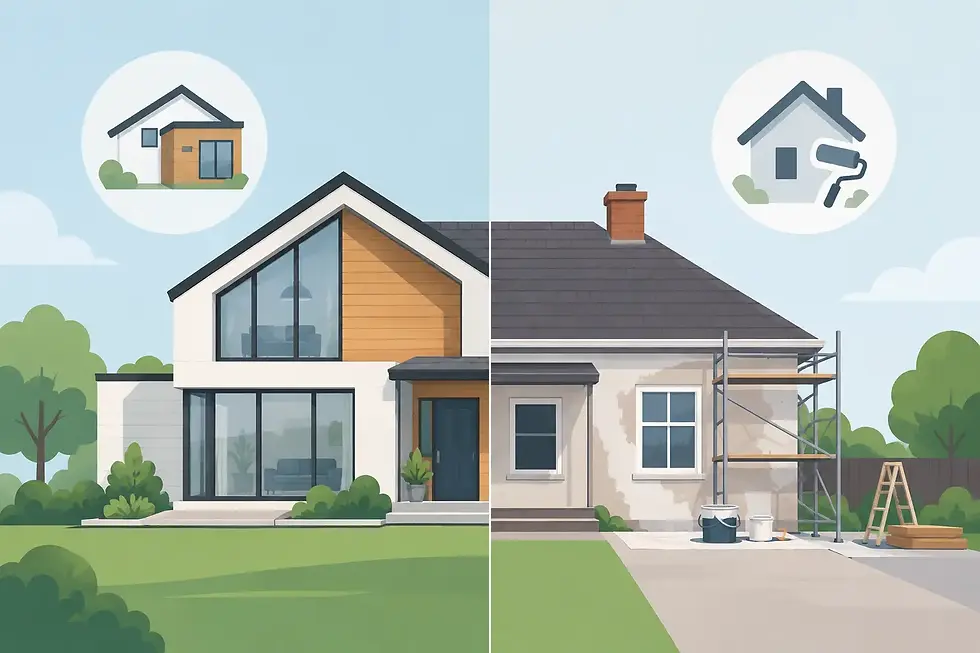
Renovation usually means restoring or updating a space without changing its basic layout. Think of replacing flooring, installing new cabinets in the same footprint, updating tile, repainting walls, or swapping out old fixtures. The room is refreshed, but the structure and flow stay largely the same.
Remodeling typically involves a deeper change. Walls may move. Plumbing or electrical may shift. Storage may be rethought. A cramped kitchen may become an open-concept space. A tub may be replaced with a walk-in shower. A small home may gain an addition for a growing family.
That said, many real projects include both. A kitchen project might involve remodeling the layout and renovating the finishes. A bathroom might keep its footprint but receive enough upgrades that homeowners still call it a remodel. The exact label matters less than having a clear plan and a contractor who understands the full scope.
What kinds of projects count as home remodeling?
Home remodeling covers a wide range of residential improvements. Kitchens and bathrooms are two of the most common because they affect daily life so directly. These spaces also tend to show age quickly and can limit comfort and function when they are poorly laid out or outdated.
Additions are another major category. Families often reach a point where they need more room but do not want to leave the neighborhood they know. A well-planned addition can create a bedroom, expand a living area, or provide more flexibility for multigenerational living.
Other remodeling work may include replacing windows and doors, reworking interior layouts, upgrading entryways, improving storage, or modernizing older homes so they feel more practical without losing their character. Some projects are cosmetic on the surface, while others involve substantial design and construction work behind the walls.
Why homeowners choose to remodel
Most people do not remodel just to say they remodeled. They do it because something about the home is no longer serving them well.
Sometimes the reason is space. A family grows, schedules change, or working from home becomes permanent. Sometimes the reason is comfort. Older bathrooms, inefficient windows, poor layouts, and worn finishes can make a house feel harder to live in than it should. Sometimes the reason is value. Homeowners want to protect their investment and improve the parts of the home buyers care about most.
There is also a quality-of-life factor that should not be overlooked. A better kitchen can make daily routines easier. A more functional bathroom can reduce stress in the morning. Better windows and doors can improve energy performance, cut down on drafts, and make the home feel more secure. Good remodeling is not only about appearance. It is about how the house supports everyday living.
What home remodeling usually involves
A remodeling project often starts with a clear problem to solve. Maybe the kitchen is too closed in. Maybe the bathroom is too small. Maybe the home needs more natural light or better access between rooms. Once that goal is defined, the next step is figuring out what changes are required to get there.
That process may include design decisions, material selections, budgeting, scheduling, permits, demolition, construction, and finishing work. Depending on the scope, plumbing, electrical, flooring, cabinetry, tile, trim, windows, doors, and painting may all be part of the same job.
This is why many homeowners prefer working with one contractor who can manage the project from start to finish. Larger remodeling jobs involve many moving parts, and coordination matters. Good planning helps avoid delays, confusion, and the frustration of having to manage several separate trades on your own.
The trade-offs to think through
Home remodeling can bring real value, but every project involves choices. Bigger changes often create better long-term results, but they also require a larger budget and more time. A simple refresh may cost less up front, but if the layout still does not work, the improvement may feel limited.
There is also the question of timing. Some homeowners want to tackle everything at once so the home feels complete. Others prefer to remodel in phases to manage costs and disruption. Neither approach is automatically right. It depends on the condition of the home, the available budget, and how urgent the needs are.
Another factor is return on investment versus personal use. Not every project has to be about resale. If you plan to stay in your home for years, the day-to-day benefit may matter more than what a future buyer will think. On the other hand, if selling is likely in the near future, it makes sense to prioritize updates that improve appeal and function without overbuilding for the neighborhood.
What to expect before starting
Before starting a remodel, it helps to be clear about your priorities. What is bothering you most about the current space? What would make the biggest difference in daily life? What is a must-have, and what is simply nice to have?
It also helps to be realistic. Older homes can hide issues behind walls, and once work begins, unexpected repairs sometimes come to light. Material lead times can affect schedules. Design changes made late in the process can raise costs. That does not mean remodeling is not worth doing. It means good projects depend on honest expectations, solid planning, and clear communication.
For homeowners in Ocean and Monmouth County, it is especially valuable to work with a remodeling company that understands local homes, local permitting, and the kinds of upgrades that make sense for the area. Integrity Builder approaches these projects the way homeowners want them handled - with straightforward guidance, dependable execution, and a clear commitment to doing the job right.
How to tell if your home needs remodeling
If you have to work around your house every day, that is often the clearest sign. Maybe there is not enough storage, the layout interrupts how your family moves through the space, or certain rooms feel dated in ways that affect comfort, not just appearance.
Another sign is when repairs become repetitive. If you keep patching the same problems without improving the space itself, remodeling may be the smarter long-term move. The same is true when older features hurt efficiency or make the home harder to maintain.
You do not need a major structural issue to justify remodeling. Sometimes the strongest reason is simple: your home should fit your life, and right now it does not.
What is home remodeling really about?
At its best, home remodeling is not about chasing trends or tearing things apart for no reason. It is about making your home more useful, more comfortable, and more aligned with how you actually live. Sometimes that means a major transformation. Sometimes it means targeted improvements with a clear purpose.
The right project is the one that solves real problems and adds lasting value to your everyday life. If your home has good bones but no longer meets your needs, remodeling may be the step that helps it feel like the right home again.


Comments